
Misalignment. It is the silent killer of hardware. You might not see it during the final quality check at the factory, but out in the field, where vibration, thermal cycling and regular use take over, a part that was just a few microns off becomes a point of failure. We see it happen. An assembly that looked fine on paper starts showing wear, leaking or simply stops working because the internal stresses were stacked against it from the start.
At Topcraft Precision, we’ve learned that keeping failure rates low isn’t about luck. It is about controlling the variables during the build. When you are dealing with complex systems, the difference between a product that lasts and one that fails usually comes down to how well you manage the assembly process. Here is a look at the techniques we focus on to make sure what we build today stays reliable tomorrow.
Torque Control as a Foundation
Anyone who has ever used a basic wrench knows that “tight” is subjective. But in manufacturing, subjective leads to variability and variability leads to failure. You cannot rely on feel alone when you are securing critical fasteners. If a bolt is too loose, it vibrates out. If it is too tight, you stretch the material or strip the threads. This creates stress risers that crack under load.
Modern electric torque control systems change the game here. Electric systems offer closed-loop control unlike pneumatic tools that drift out of calibration. They monitor the angle and torque in real-time and stop the instant they hit the specified target. This means if a thread is damaged or cross-threaded, the system detects the anomaly immediately and halts the process before the part is ruined. This isn’t just about tightening a screw. It’s about verifying the integrity of the joint with hard data.
The Shift to Vision and Feedback
You can’t fix what you can’t see. The human eye is remarkable, but it has limits, especially when dealing with high-density circuit boards or micro-optics. We are seeing a major shift toward machine vision and automated inspection integrated directly into the assembly line.
Take press-fit assembly, for example. Forcing a pin into a board when it’s just slightly misaligned bends the pin or cracks the plated through-hole. The part might pass an electrical test initially, but down the line, that damaged connection fails. We can detect a bent pin at the moment of first contact by using systems with a high-precision force measurement. The system stops before damage is done. This real-time feedback loop protects the components and guarantees that every joint is formed correctly, not just assumed to be correct.
Some of the most interesting developments involve combining AI with 2.5D vision systems that understand depth and surface variations. These systems guide robotic arms to place components with micron-level accuracy, accounting for part variations that would throw off a standard pick-and-place routine.
Robotic Assistance for Consistency
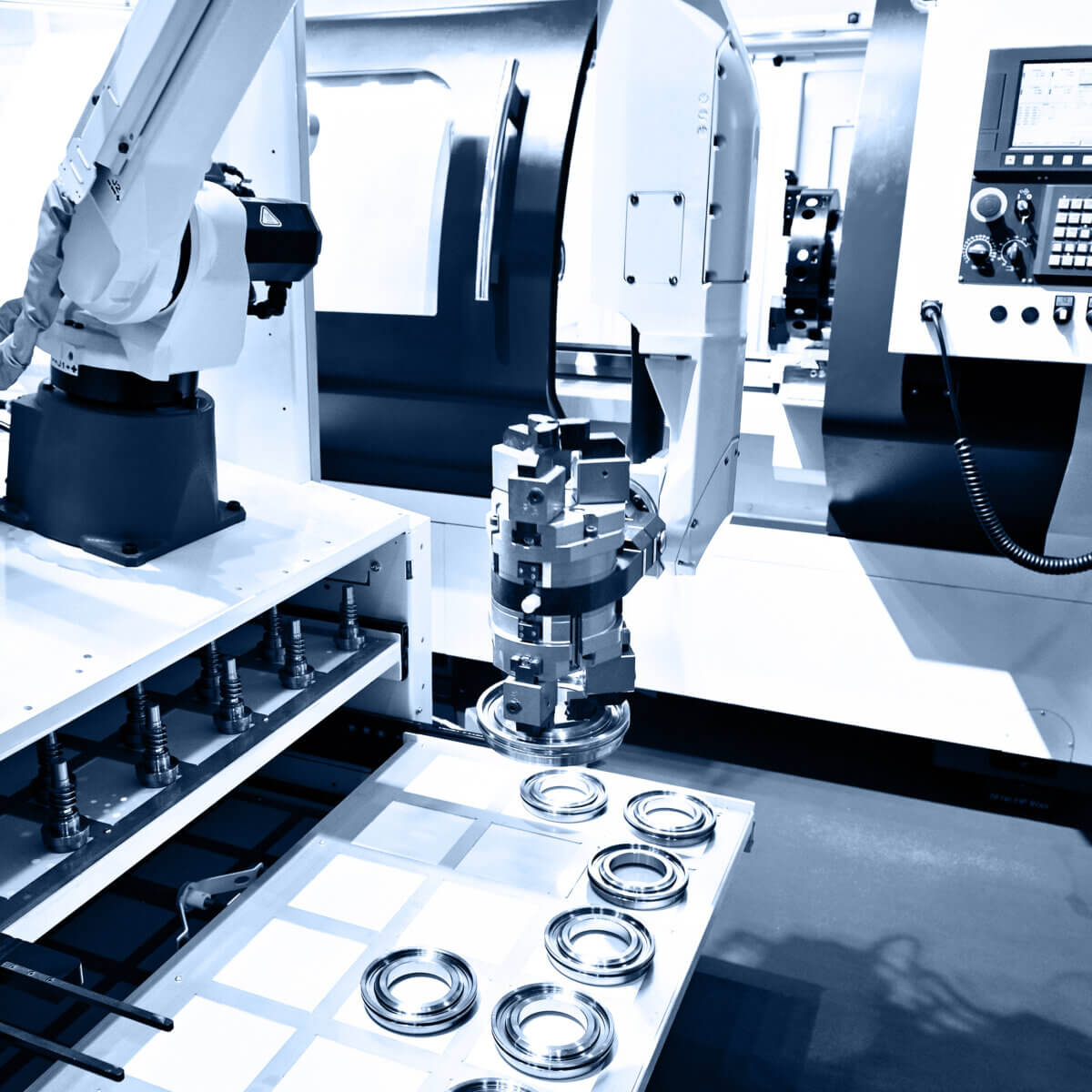
Humans are smart, but we get tired. By the end of a shift, our hands shake a little, our focus wavers. Robots, specifically collaborative robots designed for precision assembly, don’t have that problem. They repeat the same motion with the same accuracy at 8:00 AM as they do at 6:00 PM.
Robotic systems using passive alignment techniques have proven highly effective in applications like optical assembly. By relying on precision-machined parts and automated placement, manufacturers eliminate the tremor and variability of manual handling. This leads to a product that performs consistently, whether it’s the first unit off the line or the ten-thousandth.
The Human Element
Even with all the automation, the skilled operator still plays a vital role. However, we are enhancing that role with tools like Augmented Reality (AR). Inspectors can use projector-based AR to overlay CAD data directly onto the physical part instead of guessing whether a gap is within spec.
This method allows for instant “as-planned vs. as-built” comparisons. If a component is sitting too high or a weld seam is off, the deviation is immediately visible against the digital template. This speeds up the inspection process and removes the guesswork, catching errors that might slip past a manual checklist.
Why This Matters in the Field
When we combine tight torque control, vision-guided robotic placement and data-driven inspection, we are essentially engineering the risk out of the product. The goal is to make sure that when a component leaves our floor, it can handle the vibration of a motor, the heat of a server rack or the shock of a drop. By focusing on these precision assembly methods, we build units that require fewer repairs, face fewer recalls and deliver a better experience for the end user. It’s manufacturing with a focus on the long haul.